RALIS LAW
Real Estate
Need help with a real estate process? We’re here to help.
Areas of Expertise

Residential

Commercial

Land Trust
Why Hire an Attorney?
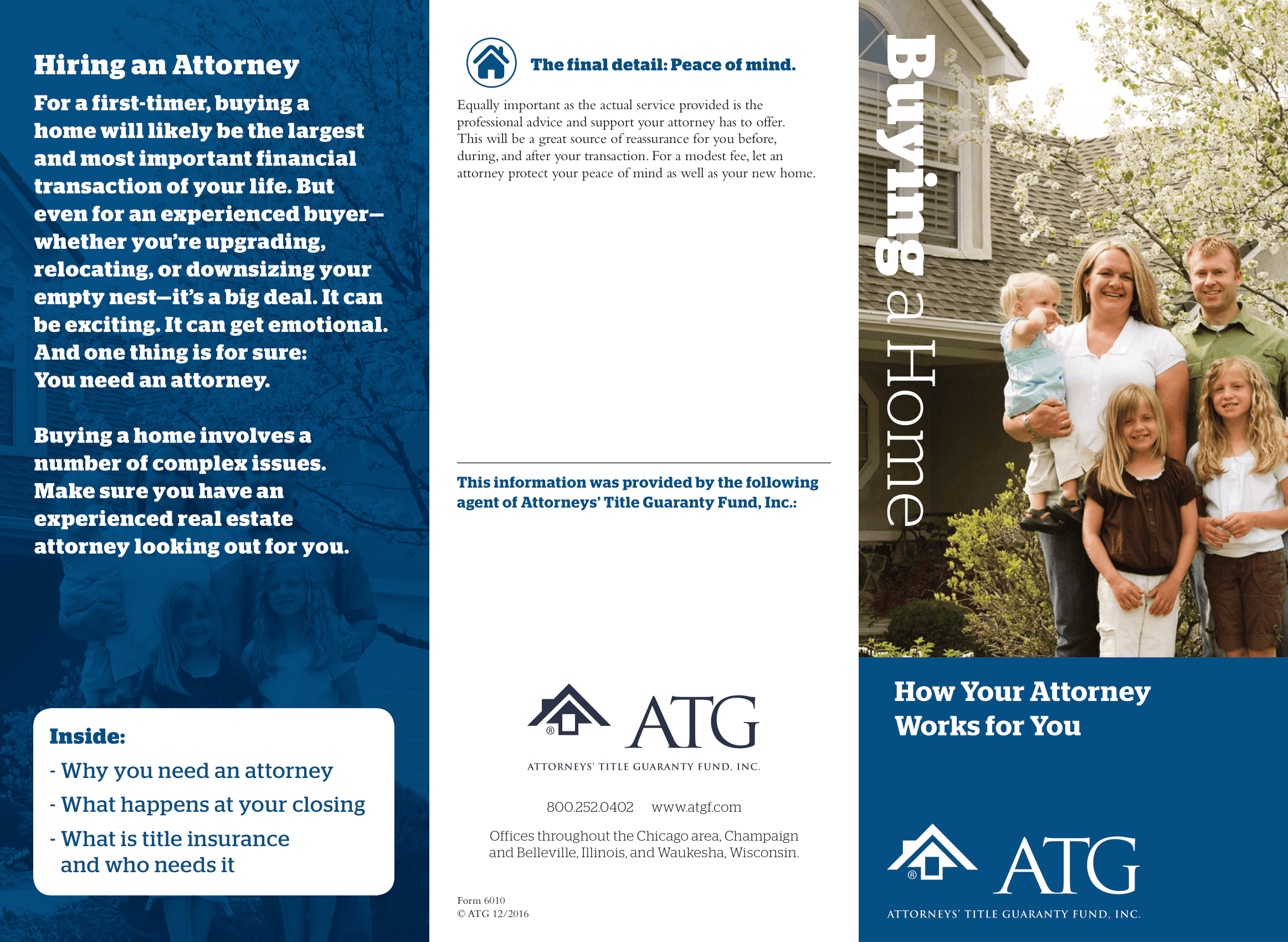
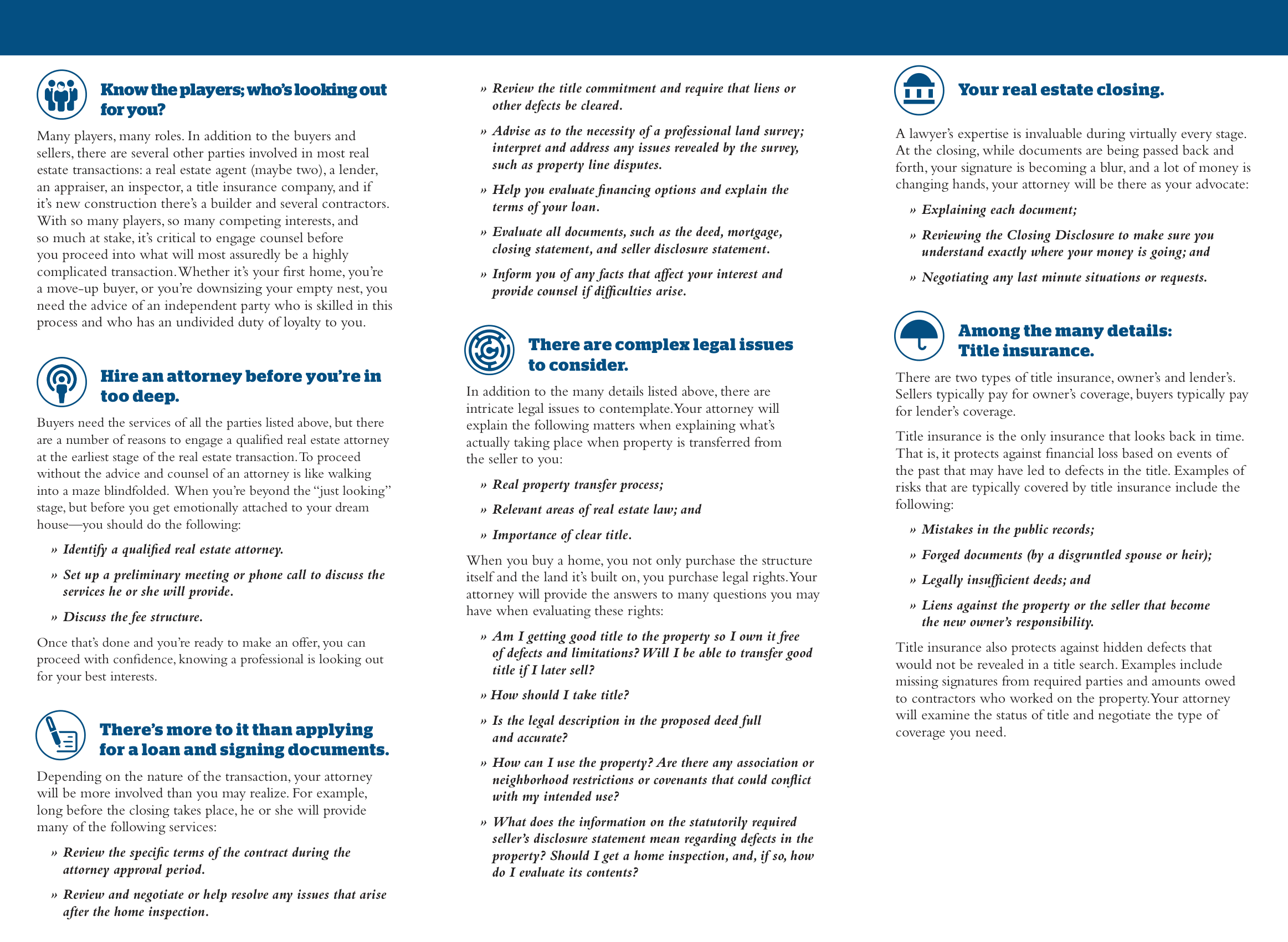
This is an outline from the Attorney Title Guaranty Fund, a title company where Robert and Sean are both licensed agents in Illinois. This outlines the home buying process and explains why you need an attorney when purchasing a home. For most people, a residential real estate transaction is the biggest transaction of their life. Why not have an experienced attorney there to guide you through this monumental final decision.
BUYING AND SELLING
Residential
Residential is the most common and consists of buying and selling a home. We have been working in the residential market for over 30 years and know the ins and outs to make your buying experience as simple and pleasurable as possible. Let us help you purchase your dream home today.
There are many ways to hold title, and each has pros and cons. The most common ways to hold title are by tenancy by the entirety, which can only be held by a marries couple, and tenants in common, which gives each party a 50% stack in the home. There are also more nuanced ways to hold title such as a land trust. Find out more below.


Commercial
Commercial real estate consists of investing in property that will be used for business purposes. These transactions are much more complex than residential real estate. We also have over 30 years of experience on the commercial investing and development side so your transaction can run smoothly and profitably.
We highly recommend holding title in commercial real estate in a corporation or an LLC. Find out more in our business transaction section here.
Land Trust
How does a land trust work?
The current owners deed the property into the land trust, naming a trustee such as Chicago Trust, and perhaps a beneficiary or succession of beneficiaries, much like they would for an insurance policy or retirement account.
he trust agreement, a long-standing form that is generally the same throughout Illinois and Indiana, will name a holder of the “beneficial interest”, usually the owners deciding property but not limited to that. The trust is there to protect the beneficiary from most public records searched other than those allowed by law to governmental agencies.
The owners will also name someone, perhaps themselves or others, as the holder of a “power of direction” allowing them to act on behalf of the trust for financing or other purposes.
The holder of the power of direction can be changed by the beneficiaries, and the beneficiary can also be changed. The land trust is a way of dealing with real estate as a financial asset, creating a flexible process to pass ownership to future generations, or implementing other planning ideas.

Learn More
Frequently Asked Questions
What is the first step after I sign a contract to purchase a home?
Immediately send the signed contract to your attorney as you typically only have 5 days for attorney review.
What is a closing in a real estate transaction?
A closing (or settlement) is the final step where ownership of the property legally transfers from seller to buyer. It involves signing documents, paying closing costs, disbursing funds, and recording the deed.
How long does the closing process typically take?
Most financed purchases close in 30–60 days after contract acceptance (average around 45–50 days). Cash deals can close faster, sometimes in 1–2 weeks. Delays often come from financing, inspections, or title issues
What documents will I need to sign at closing?
Key documents include the Closing Disclosure (detailing costs), promissory note, mortgage/deed of trust, deed, and affidavits. We will review all of these documents prior to closing to make sure the documents are correct.
What are typical closing costs, and who pays what?
Buyers often pay 2–5% of the purchase price (loan fees, title insurance, appraisals, taxes, etc.). Sellers typically cover agent commissions, transfer taxes, and prorated items. Negotiations in the contract determine splits.
What is a title search and title insurance?
A title search checks public records for liens, ownership history, or issues. Title insurance protects against future claims on the title. Lenders usually require it for financed purchases. Title Insurance is to insure you are buying what you think you are buying.
Do I need an attorney for closing?
For most people purchasing a home is the biggest investment/purchase they will ever make in their life so you want someone who knows the layout and is there advocating on your behalf. Yes you should have an attorney represent you when you buy or sell a home.
Can I close remotely or use a power of attorney?
Yes, many closings allow remote/online notarization or power of attorney, but rules vary by state and lender requirements.
What happens if issues arise during closing (e.g., failed inspection or financing)?
The contract outlines contingencies. Parties can negotiate extensions, repairs, or credits. If unresolved, the deal may fall through with earnest money handling per contract terms. Unexpected circumstances are common so having an experienced attorney by your side helping you navigate the uncertainty will help complete the closing.
When do I get the keys?
Usually after all documents are signed and funds are disbursed you will get the keys on the day of closing.